Water Treatment Plant Design
Home / Services / Water Treatment Plant Design
Services
Water Treatment Plant Design
We provide a comprehensive solution for the design, engineering, and supply of water and wastewater treatment. A one-stop shop for all varieties of treatments in water and wastewater management.
We offer water solution consultation for the following
- Industry
- Institutions
- Apartments / Individual Houses
- Commercial and Public properties
Get in Touch
Contact Us
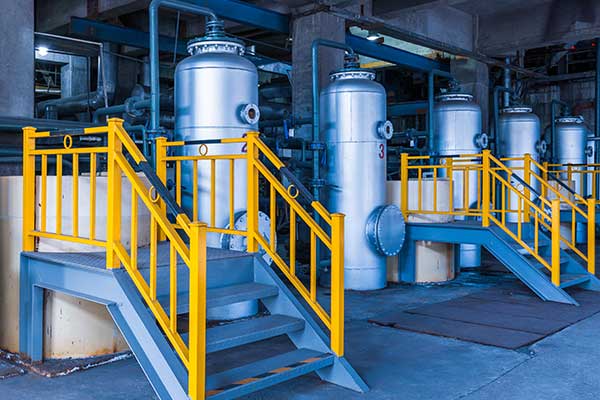
Raw Water Treatment System
The appropriate raw water treatment system will be provided based on the source and quality of the water, aimed at removing suspended solids, turbidity, colloidal solids, silica, iron, bacteria, and hardness to achieve the necessary feed water quality.
Some of the systems
- Primary / Secondary screens
- Aeration system
- Coagulation & Flocculation
- Clarification using Tube settler / Clarifier
- Disinfection system
- Filtration system
Filtration Plant
Different types of filtration units are designed to eliminate suspended solids, turbidity, and iron, each operating at varying surface velocities. The filters will incorporate a range of multimedia filter media, including pebbles, gravels, sand, activated carbon, anthracite, and green sand, among others. Depending on the application and the specific type of filter medium used, the filters will be designated accordingly.
Some of the systems
- Multi Grade filter
- Pressure sand filter
- Dual Media filter
- Side stream filter
- Activated carbon filter
- Iron removal filter
Ultra Filtration Unit
The objective of ultrafiltration (UF) is to isolate microscopic particles, bacteria, viruses, and high-molecular-weight substances from liquids, including colloidal silica, thereby generating purified water. The membrane will consist of PS / PES / PVDF and will be configured in either an inside-out or outside-in manner.
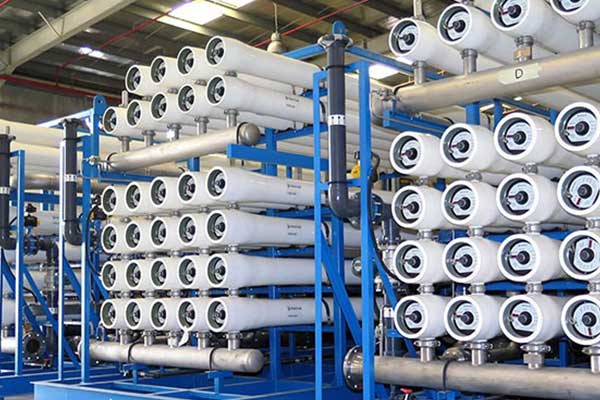
Reverse Osmosis Plant
Reverse osmosis (RO) is an efficient water purification technique that utilizes a semi-permeable membrane to filter and eliminate contaminants from water. By exerting pressure on the source water, RO compels water molecules to pass through the membrane, effectively removing dissolved salts, organic materials, bacteria, and other undesirable elements. The outcome is highly purified water on one side of the membrane, while a concentrated waste stream is produced on the opposite side. This method is extensively employed in situations where high-quality water is crucial, ranging from drinking and cooking purposes to industrial manufacturing.
The Advantages or Benefits of Reverse Osmosis are:
- Reverse Osmosis helps in effective removal of contaminants from water
- Reverse Osmosis helps in purification of Sea Water
- Reverse Osmosis improves the taste of water
- It is a versatile technique to purify water
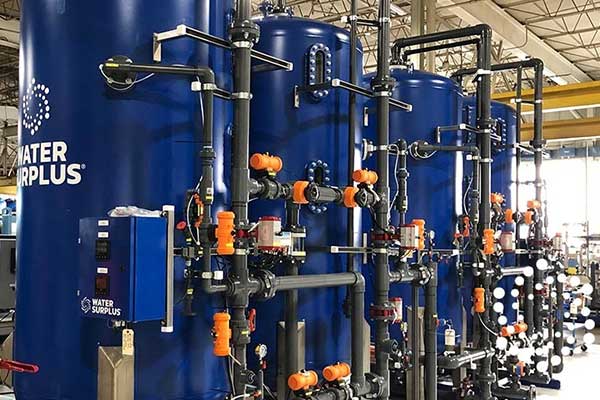
Ion Exchange Units
The ion exchange process is a chemical method employed to substitute unwanted ions in water with more favorable ones by utilizing synthetic resins. These resins are specifically engineered to attract and retain ions from water while simultaneously releasing their own ions in exchange. The ion exchange process in water treatment is extremely adaptable and is frequently used to soften water, eliminate impurities, and purify water for specific industrial applications.
Some of Ion Exchange Filters are :
- Cation Exchanger
- Anion Exchanger
- Mixed Bed Exchanger
- Softener
Sewage Treatment Plant
A Sewage Treatment Plant (STP) is a facility that cleans wastewater (sewage) from households, institutional like hotels, hospitals, resorts and commercial establishments etc. It using physical, chemical, and biological processes to remove contaminants, making the water safe for discharge or reuse, thus preventing pollution and protecting public health. STPs typically involve stages like primary treatment (removing large solids), secondary treatment (biological breakdown of organic matter), and sometimes tertiary treatment (advanced disinfection/filtration) to meet strict environmental standards, producing clean effluent and managing sludge.
Key Functions of an STP
- Removes Pollutants: Gets rid of solids, organic matter, nutrients (like nitrogen and phosphorus), and pathogens from sewage.
- Protects Environment: Prevents contamination of rivers, lakes, and oceans.
- Enables Water Reuse: Produces treated water suitable for non-potable uses like irrigation, industrial processes, or toilet flushing, conserving fresh water.
Stages of Treatment
- Primary Treatment : Raw sewage enters, screens remove large debris (rags, sticks), and sedimentation tanks allow heavier solids (sludge) to settle out.
- Secondary Treatment : Microorganisms (bacteria) break down dissolved organic matter in aeration tanks, often using processes like activated sludge or trickling filters.
- Tertiary Treatment : Further disinfection (chlorination, UV) and filtration to remove remaining pathogens and nutrients.
- Sludge Treatment : The settled solids (sludge) from primary and secondary stages are processed (thickened, digested, dewatered) and often disposed of or used as fertilizer.
Technologies Used
- Biological : Activated Sludge Process (ASP), Membrane Bioreactors (MBR), Moving Bed Biofilm Reactors (MBBR).
- Physical : Screens, grit chambers, sedimentation tanks, filters & Ultra Filters
- Chemical : Disinfection (chlorine), nutrient removal chemicals.
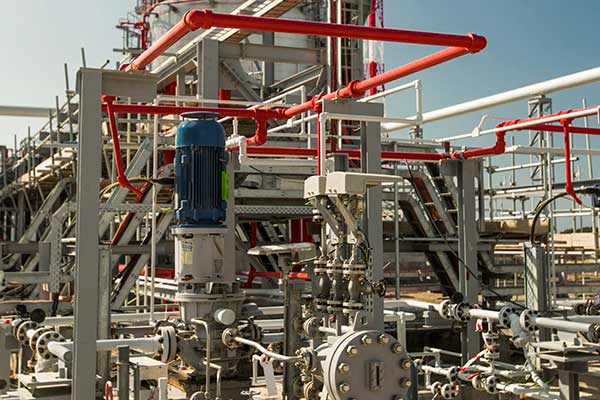
Oil Removal System
Different methods for oil removal can be proposed for the extraction of free-floating oils and emulsified (dissolved) oils.
Some Equipment Utilized for Oil Removal.
- Belt type oil skimmers
- CPI separator
- API / TIP separator
- Dissolved Air flotation
Designing Of Pressure Vessels
The design of pressure vessels can be executed in accordance with IS2825 / ASME Sec VIII, and the following outputs will be delivered.
Systems We Can Design & Offer
- Sizing calculations
- Thickness calculations
- Preparation of GADs
- Preparation of detailed fabrication drawings
- BOM preparation
Chemical Dosing Skids
The design of dosing skids for different chemicals can be accomplished, which encompasses the following.
- Preparation tanks
- Dosing tanks
- Dosing pumps with piping
Chemical-Dosing-Skids

Designing-Of-Pressure-Vessels
Filtration-Plant
Ion-Exchange-Units
Oil-Removal-System
Raw-Water-Treatment-System
Reverse-Osmosis-Plant
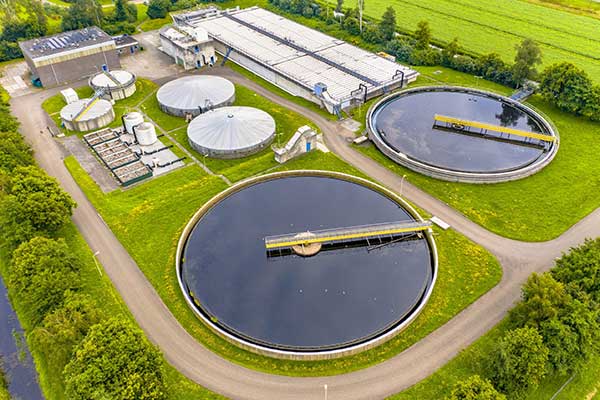
Sewage-Treatment-Plant